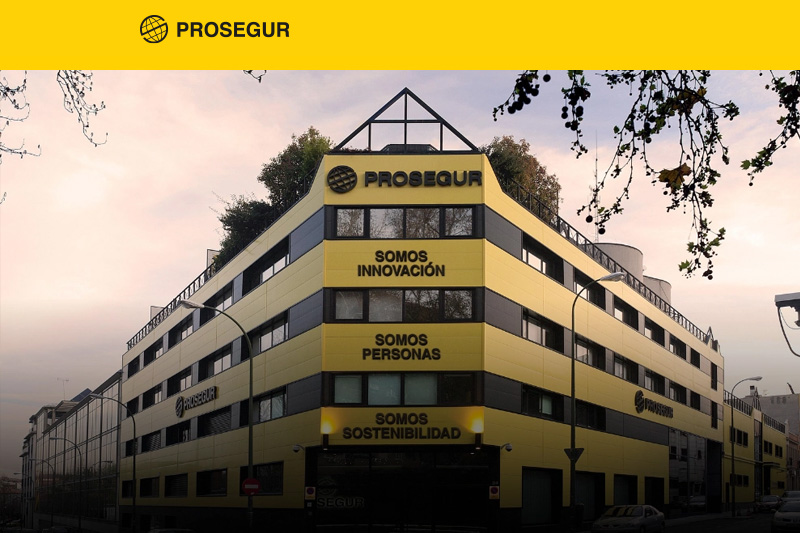



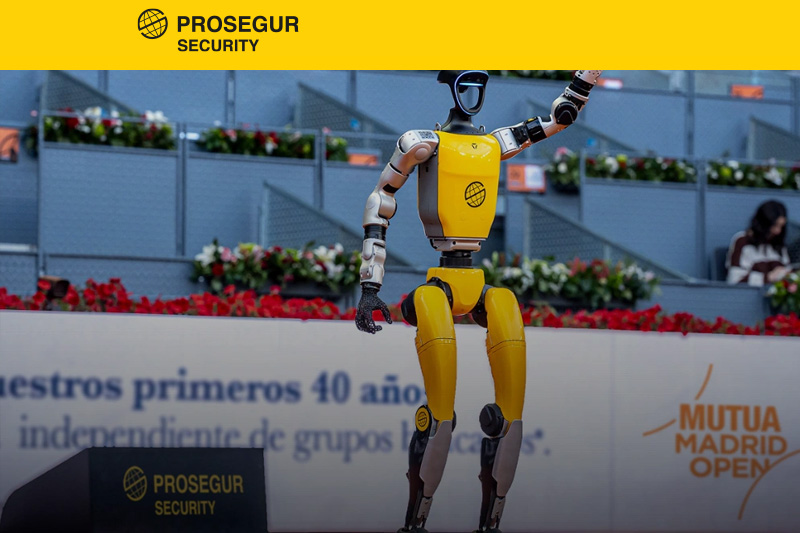
Technology, data, and a security robot: safeguarding the Mutua Madrid Open
Access the full article



Prosegur Security has consolidated its presence in the world's most competitive market. We spoke with Fernando Abós, its CEO, about the hybrid security model that is driving its double-digit growth in the United States.
'The US is already our most profitable market'.
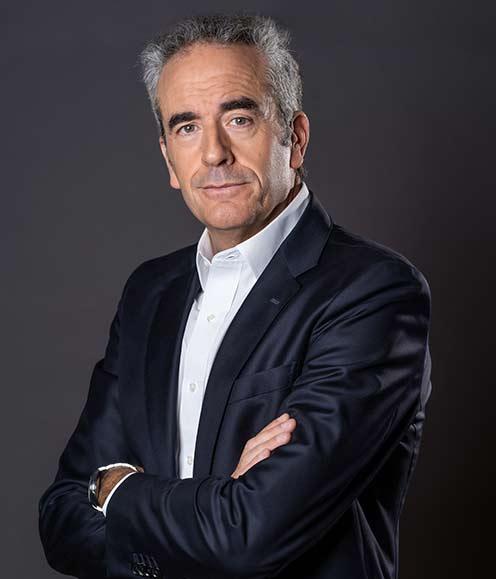
Fernando Abós
CEO Prosegur Security
The United States has become a strategic market for Prosegur Security. In just a few years, the company has gone from having a token presence to establishing itself as one of the leading private security operators in the country. “The United States is now our second largest market in terms of sales and the largest in terms of profitability and growth,” confirms Fernando Abós, CEO of Prosegur Security, who leads the group's international expansion from Miami.
The segment that includes surveillance and technology alone—the same one in which the company operates—is worth around $50 billion and is growing above inflation. “It is a large market with a lot of potential and, above all, attractive to investors,” explains Abós. "The reality is that we are seeing strong interest from private equity firms, with significant M&A activity in the sector. This clearly reflects the appeal and confidence that the market has in private security as an industry with a future."
Fernando Abós, CEO of Prosegur Security
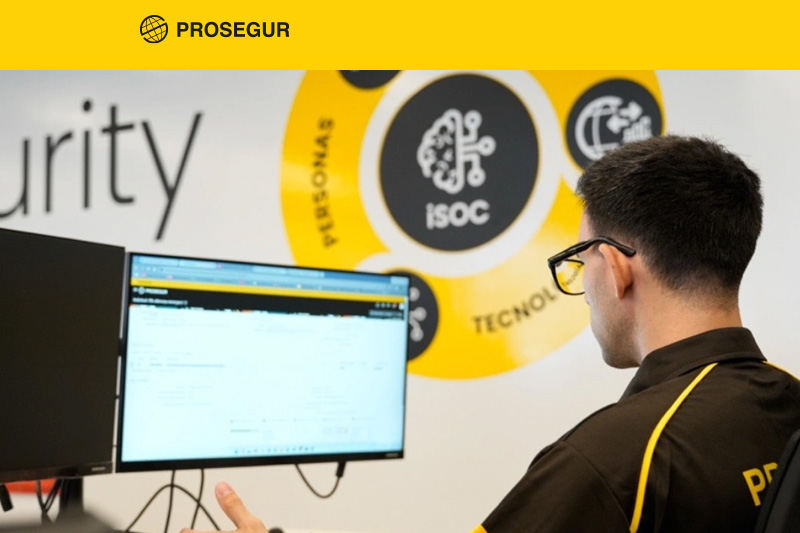
The executive acknowledges that growth has been “extraordinary,” the result of a firm commitment to technological integration and an operating model that redefines the role of the security guard. Under this premise, Prosegur Security has consolidated a Hybrid Security model that integrates people, technology, and data, with the iSOC (intelligent operations center) at the core of the system.
'The American market rewards those who do things well. It is an extremely competitive environment, but also very transparent and meritocratic. No one asks you where you come from, but what you do and how you do it.'
No industry can escape the rise of artificial intelligence and data technology. Not even private security, a sector traditionally anchored in physical presence and direct supervision. As the market moves towards automation, Prosegur Security has opted for a more balanced model, where technology enhances—but does not replace—human labor. “The connected security guard is the future of private security. Technology does not replace the human factor, it enhances it,” says Abós.
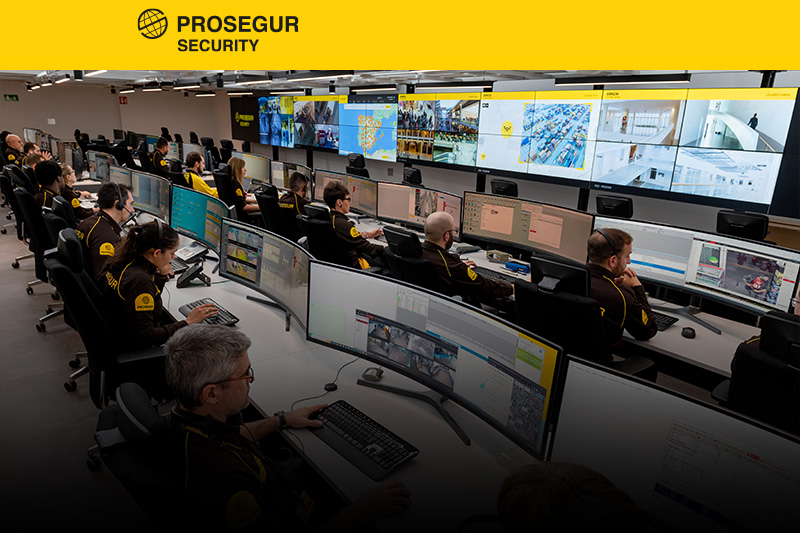
The result is an operating model where technology expands the scope of on-site surveillance and multiplies its effectiveness. Systems connected to the iSOC and solutions based on artificial intelligence and computer vision process information in real time, allowing risks to be anticipated and the margin of error to be reduced. “We have the ability to anticipate incidents, not just react to them. That's the big difference from traditional security.”
The CEO insists that the key is integration: “When a retail company or a large infrastructure trusts us, it doesn't want to hire a security systems provider or a security guard company. It wants a partner that guarantees operational continuity and comprehensive protection. And that can only be achieved by bringing people, technology, and data together under the same logic.”
'We are implementing predictive analytics systems that enable us to detect anomalous behavior patterns before an incident occurs. Artificial intelligence and machine learning are already part of our operations.'

POPS is Prosegur Security's big technological bet in the United States, a proprietary platform that brings together the group's hybrid security strategy. Unlike other large companies in the sector, which use third-party technological solutions, Prosegur has opted for a platform designed specifically for the security sector. “The platform is ours. And what's more, it's hyper-customizable,” emphasizes the CEO.
“If a customer has, for example, 5,000 stores in the United States with a specific pattern of theft, we can configure the tool to monitor the indicators and KPIs relevant to their business, and to ensure that the service is aligned with their specific operations,” explains Abós. In addition, the executive highlights that the value of the data goes far beyond operational monitoring. "All the information generated on a daily basis feeds into our hybrid model and allows us to adjust the operating model based on actual risk: reinforcing resources where incidents increase and reassigning them to more controlled areas. It is a process of continuous improvement that makes the system increasingly intelligent and efficient.
'We talk a lot about people, technology, and data, but POPS allows us to put it into practice in the field.'
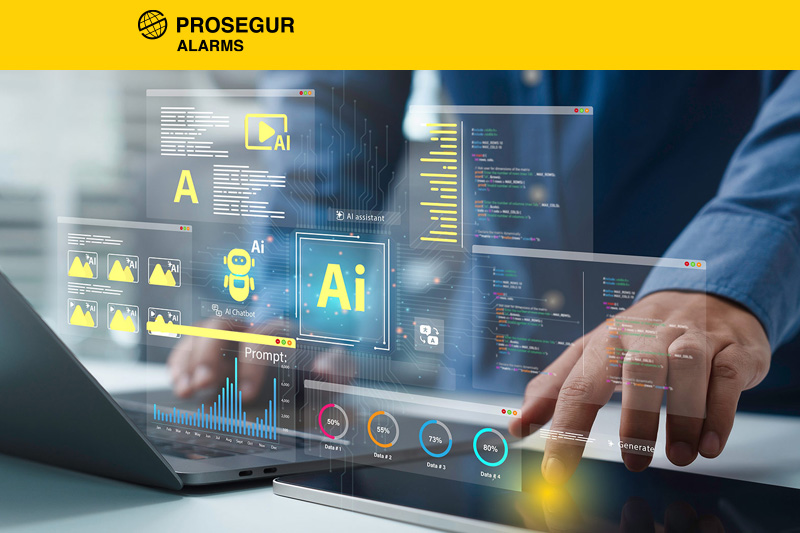
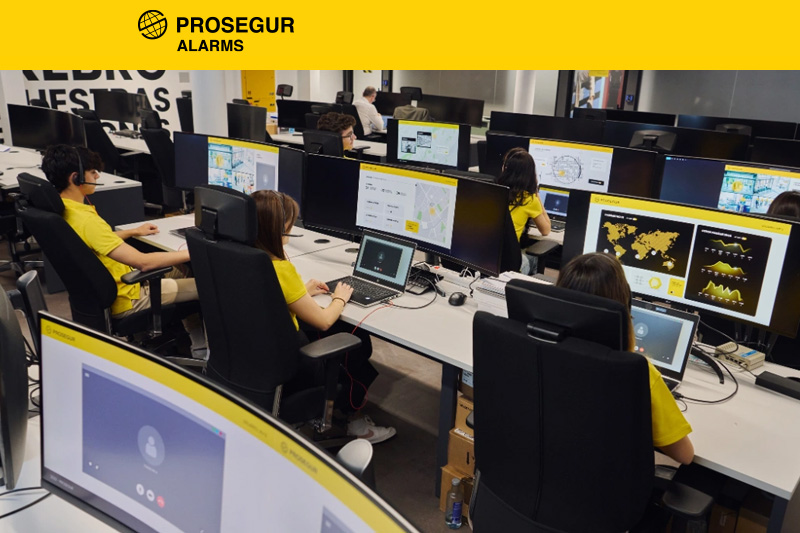
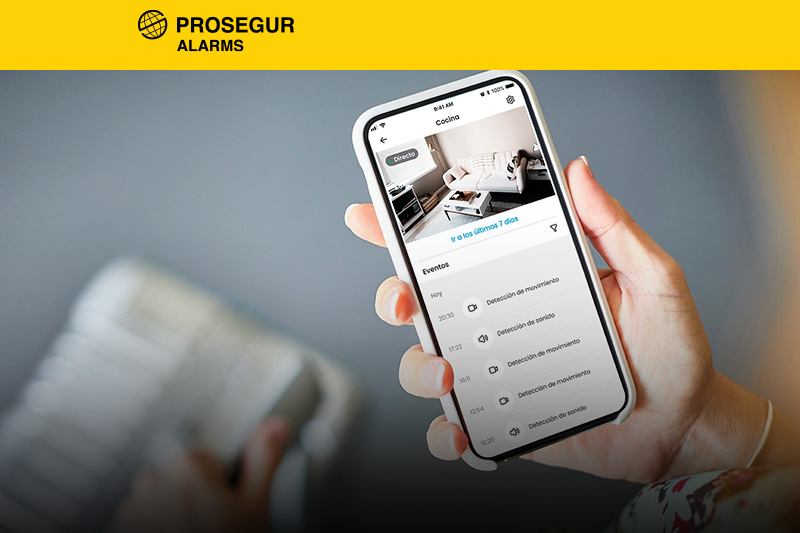
In terms of innovation, Prosegur Alarms has already integrated artificial intelligence (AI) into several of its products to improve the customer experience and anticipate behaviors. In addition, AI is used to optimize internal processes and provide more efficient customer service. In terms of profitability, the application of AI is having a significant impact. Prosegur Alarms is currently designing its new strategic plan, in which artificial intelligence will play a key role in improving operational efficiency and mapping and enhancing our product offering.
Prosegur Alarms applies artificial intelligence to different phases of the service cycle to ensure that the best decisions are always made for its customers. Throughout the year, the company conducts more than 300,000 annual surveys in Spain and uses AI to analyze all the information and develop products and services tailored to the needs of its customers.

Once processed, all changes made and customer satisfaction with each improvement launched are measured with great interest, allowing them to be proactive in the use of the alarm. “Thanks to AI models, we can detect usage patterns, such as when someone leaves home and does not connect the alarm. In such cases, we can suggest connecting it automatically to reinforce security.”
Another example is false alarm management. Thanks to AI video analysis, the system can distinguish whether the alert comes from a real intruder or a pet. “We are able to discern whether this is a real threat to the home or part of everyday life and is a pet, or whether a sensor has been accidentally activated, and act quickly,” he says.
The application of AI also extends to the back office and commercial activity, reducing repetitive tasks and improving efficiency. “AI allows low-value tasks to be done on their own, always with human supervision. This results in better customer service and a better operating margin for us.”
Prosegur Alarms operates in nine countries, which requires adapting its offering to different realities. In Europe, the level of penetration is higher; in Latin America, the perception of insecurity is higher, but the customer base with access to a premium service is smaller.
Even so, the company maintains a common value proposition based on technological products, mobile applications, and a monitoring center connected to law enforcement agencies. “Feeling safe and cared for at home is similar in all countries. It is true that the level of insecurity makes it more specific, but the basis of our service is common,” Ron emphasizes.
Regulatory compliance is another key element. “We operate in a highly regulated market, where we need police authorization to do many of the things we do. We take it very seriously, complying with absolutely all regulatory and police requirements,” he says.
%201.webp)





.jpg)

%20webp.jpg)

.webp%20al.jpg)